The Made-in-USA Fall Layering Guide: Wool, Fleece and Canvas
How to layer for cold mornings and warm afternoons using Filson Mackinaw wool, American Giant fleece and Duluth Pack canvas, all made in the USA.
October 24, 2026
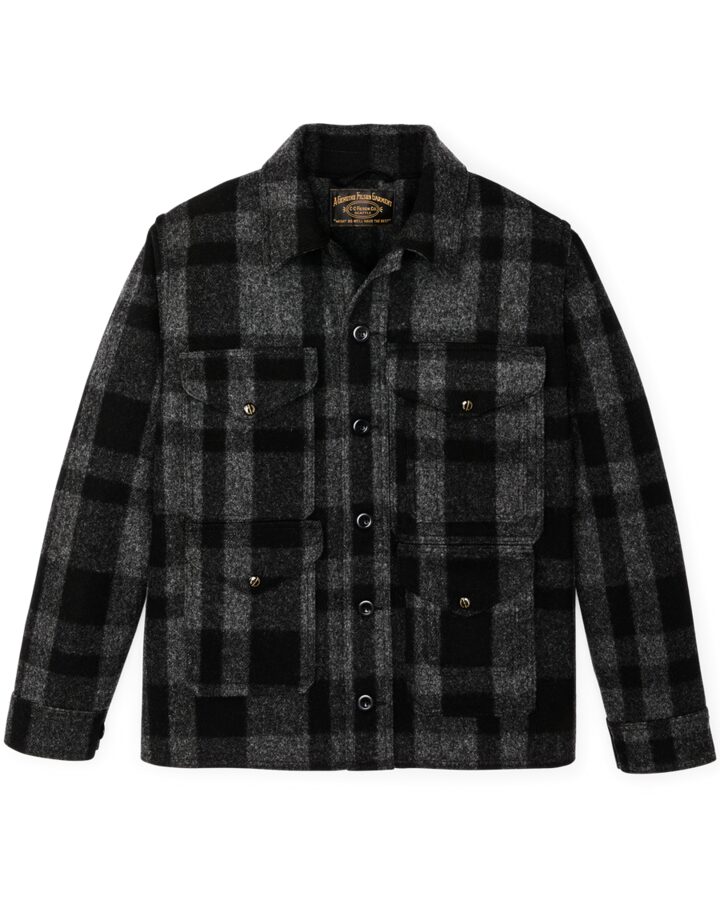
October and November are the hard months to dress for. It is 34 degrees when you leave the house and 58 by lunch. The answer is not a bigger coat. It is three thin decisions instead of one thick one: something next to the skin, something warm in the middle, and something on the outside that blocks wind. Every layer below is made in the United States, and each one does a job the others don't.
The base: a heavy tee you can wear alone
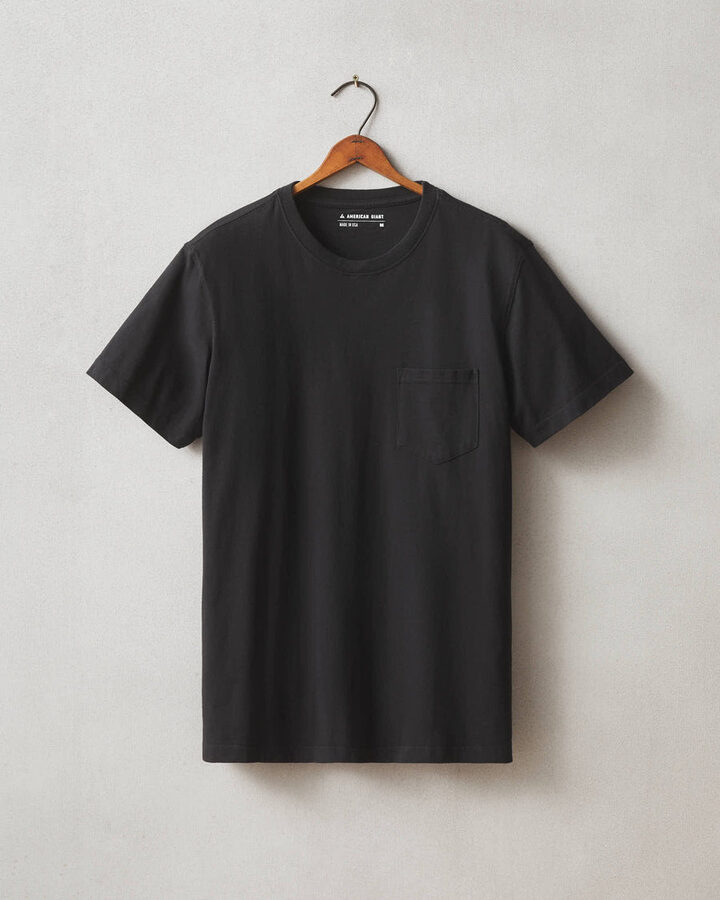
The first layer should be good enough to be the only layer when the afternoon warms up. American Giant's Heavyweight Pocket Tee is a thick, beefy jersey with an elastic neck that does not wave after a few washes. At $55 it is the cheapest thing in this guide and the one you will wear most. Black or white, and buy two.
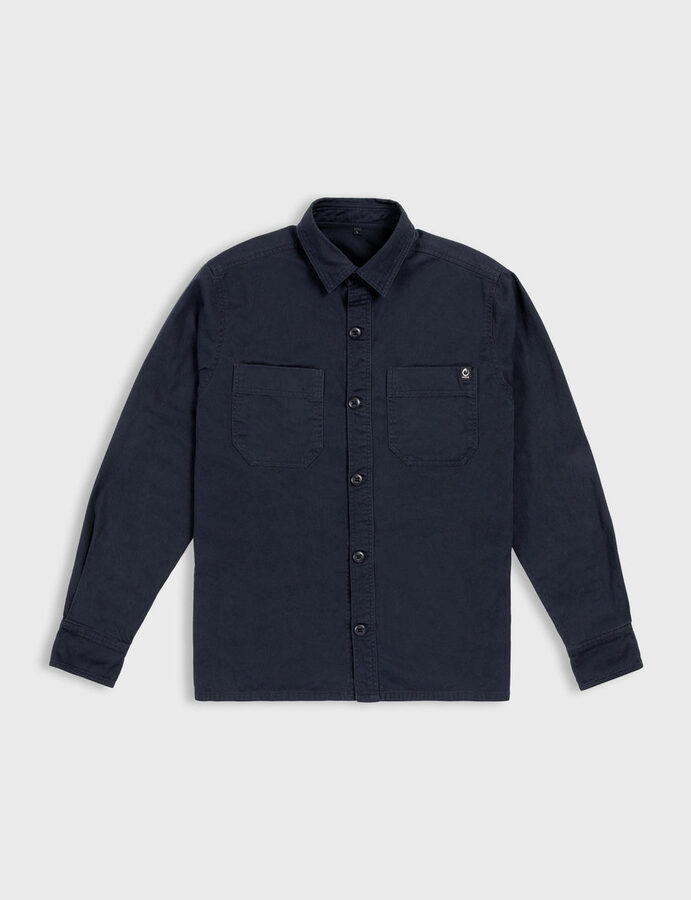
If you run cold, swap in a woven shirt instead. Origin's Whisper Twill Field Shirt is cut from 100% American cotton with a peached finish, so it feels broken-in from the first wear, and it is dense enough to work as a light jacket on a mild day.
The middle: fleece or wool, depending on the day
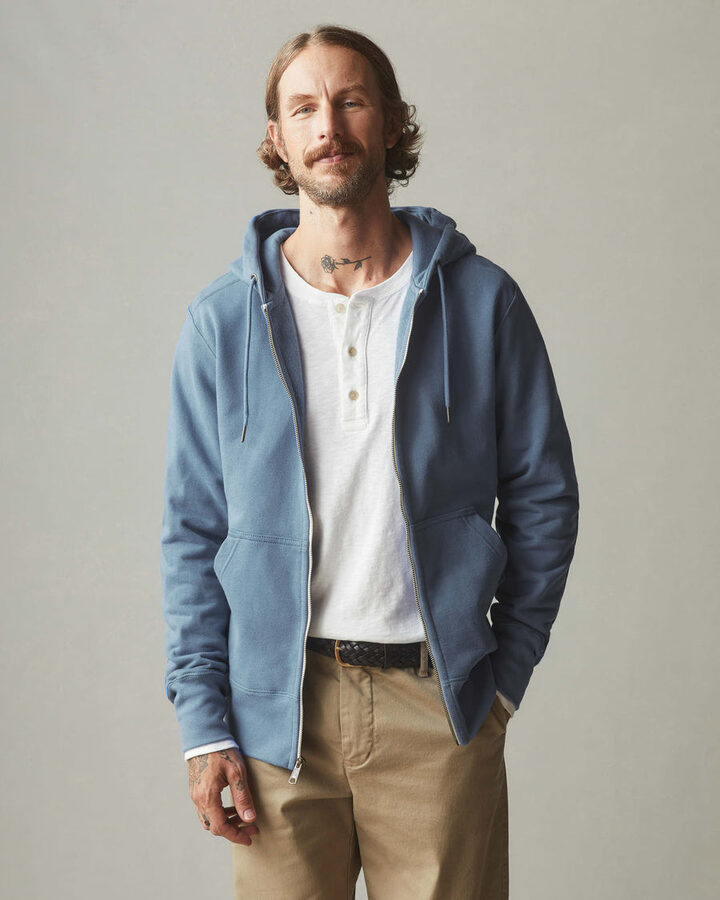
The middle layer traps warm air. For dry days and indoor-outdoor errands, cotton fleece is the move. American Giant made its name on the Classic Full Zip, a heavy cotton fleece hoodie knit and sewn in the USA. A zip is more useful than a pullover for layering, because you can open it when the room gets warm without taking anything off.
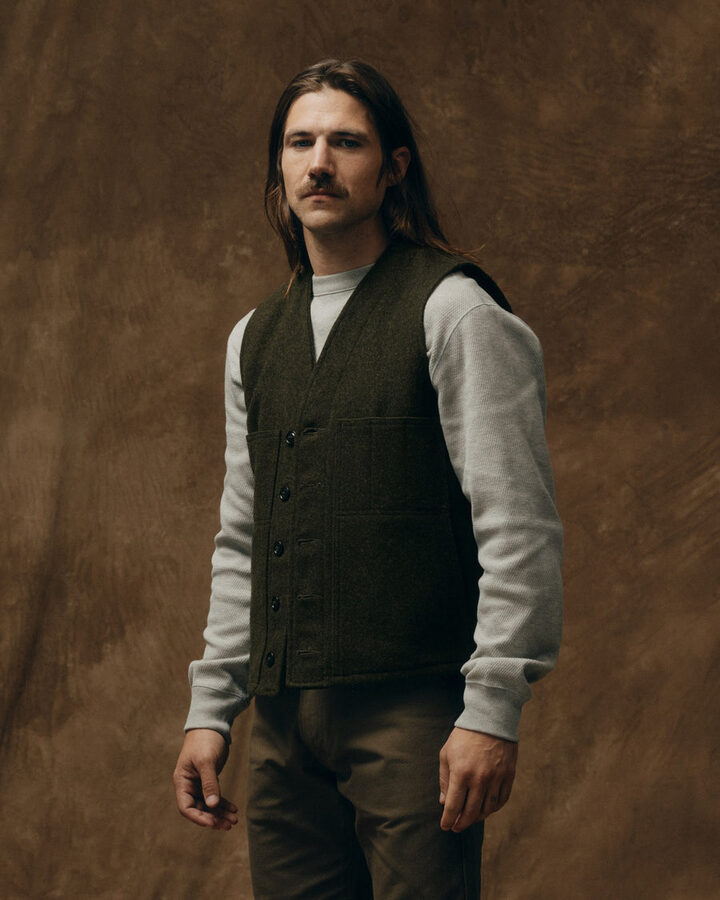
For wet or genuinely cold days, use wool. Wool keeps insulating when it gets damp, which cotton does not. Filson's Mackinaw Wool Vest is a good middle layer because it keeps your core warm while leaving your arms free, and it fits under almost any jacket. Filson weaves Mackinaw unusually tight, so the vest blocks wind on its own.
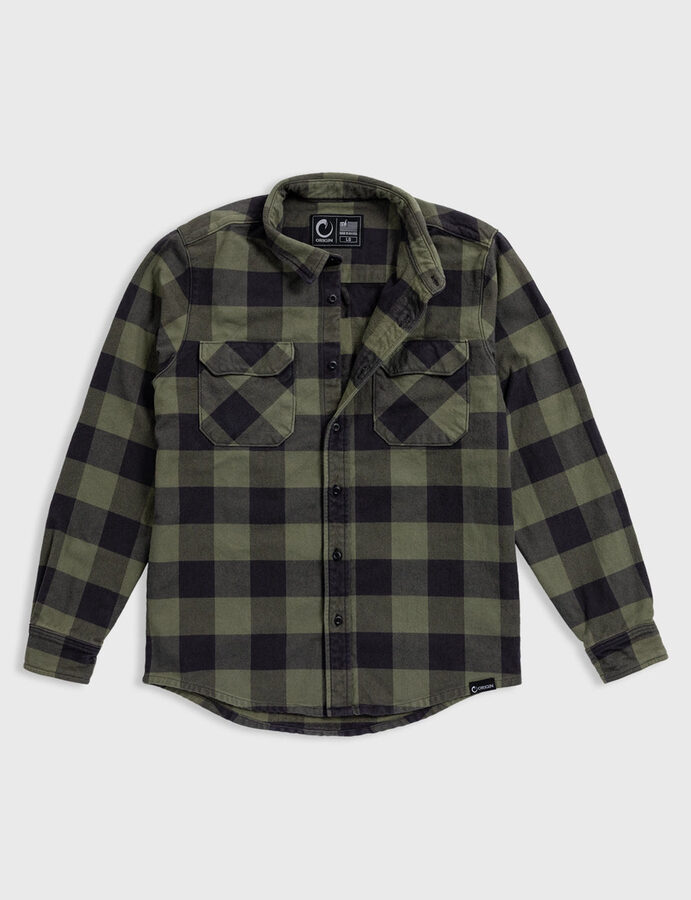
On the coldest mornings, put a heavy flannel under the vest. Origin's Heavy Flannel is 8.4 oz brushed American cotton, made in Maine, with a loose cut that leaves room for a layer underneath.
The outside: a shell that blocks wind
The outer layer's job is wind. Mackinaw wool does it better than almost any natural fabric. Filson patented its Cruiser in 1914 for men surveying timber in Pacific Northwest forests, and this 1940s version is cut from a 1948 Cruiser in the company's archive, with four individually cut front pockets, the ones on the left oversized and offset for carrying notepads and tools. It sheds light snow, stays warm when wet, and looks better with every year of wear.
It is the most expensive layer here at $407. If that is more than you want to spend, American Giant's Roughneck Chore Jacket gives you a sturdy cotton shell for $195, though it will not be as warm in real cold.

Feet first
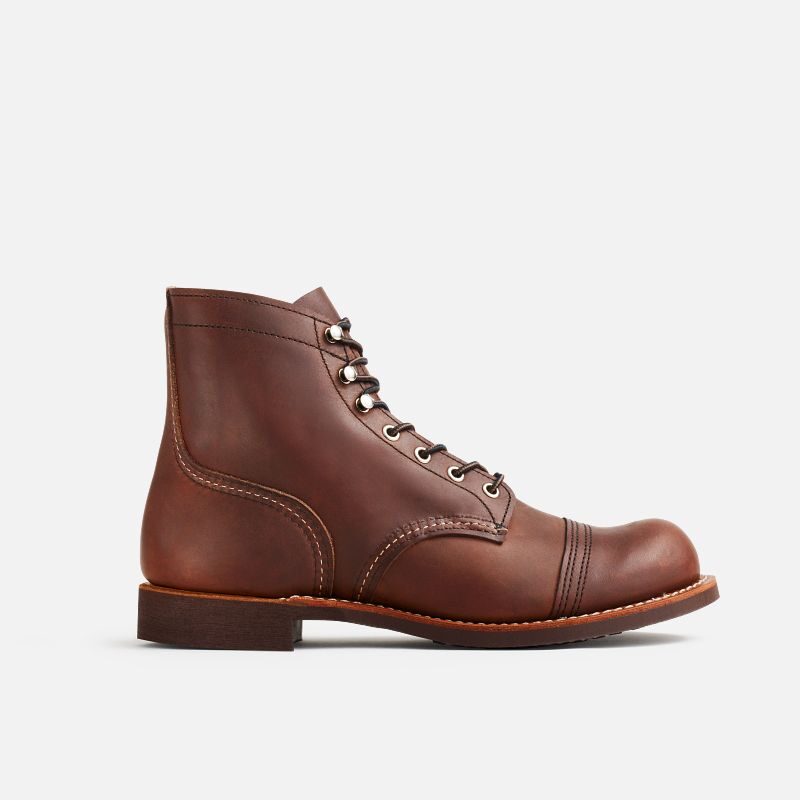
Cold feet ruin a good outfit faster than anything. Wear merino socks and a welted boot. Darn Tough knits theirs in Vermont, and Red Wing's Iron Ranger is the boot most of these looks are built on.
Carry it in canvas
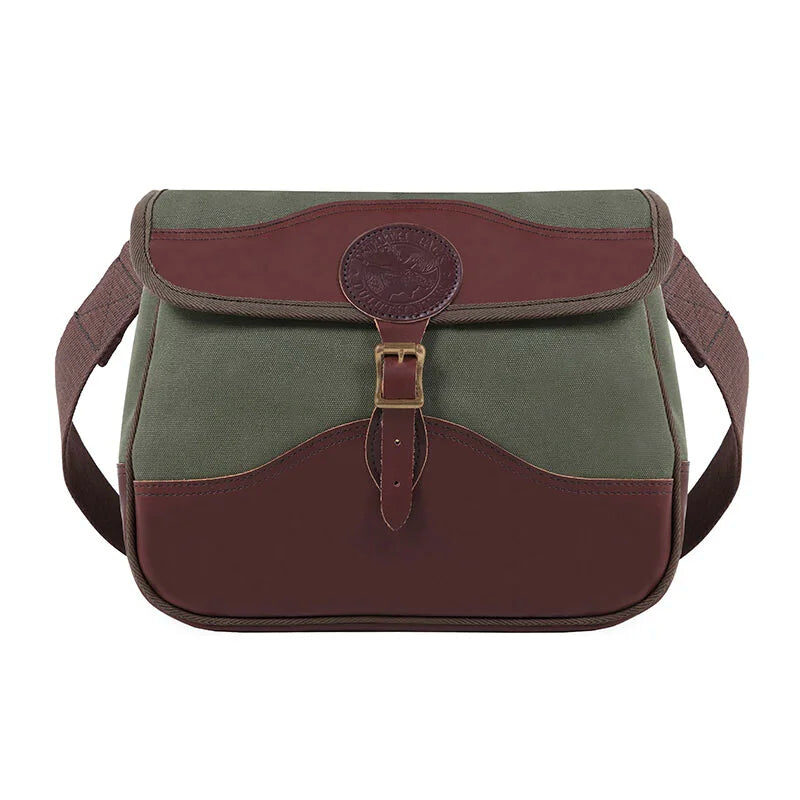
Layering means you will take something off by noon, so carry a bag that can swallow a vest. Duluth Pack has hand-built canvas and leather bags in Duluth, Minnesota, since 1882. The Field Satchel has internal dividers and a back-mounted strap that keeps it flat against your hip.
Three combinations that work
- Dry 45 degree morning: pocket tee, Classic Full Zip, jeans, Iron Rangers. Zip down by lunch.
- Raw, damp 38 degrees: field shirt, Mackinaw vest, Cruiser, wool socks, goatskin gloves.
- Office with a cold commute: knit corduroy shirt, Georgia denim, Cruiser over the top, briefcase in hand.
Buy the outer layer last. Start with the tee and the middle layer, wear them for a month, and you will know exactly what kind of jacket you are missing.
Quick answers
Is Filson still made in the USA?
Some of it. Filson lists its Mackinaw Wool Cruiser and Mackinaw Wool Vest as made in USA with imported material, but many other Filson items are now imported, so check the Manufacturing line on each product page.
Is American Giant made in the USA?
Yes. American Giant knits and sews its fleece and tees in the United States.
Wool or fleece for a middle layer?
Fleece for dry days and indoor-outdoor errands. Wool for wet or very cold days, because it keeps insulating when damp.